

What You’ll Find This Week
HELLO {{ FNAME | INNOVATOR }}!
In 2006, Tesla put its entire strategy on a public blog post. Build an expensive sports car. Use the money from that to build a cheaper car. Use the money from that to build a cheaper one still.
It worked. The cheapest Tesla went from $98,950 to $35,000 in eleven years. The post is still up, and every automaker on earth has been able to read it the whole time. Only new market entrants ran it. GM went straight at the affordable car without building the expensive one first, and by one analyst estimate it lost as much as $49,000 on every Chevy Volt it made.
This week: who actually came up with the strategy, why Tesla's own cars never produced the money the plan said they would, and what it cost the founders.
Here’s what you’ll find:
This Week’s Article: Tesla Proved You Can Disrupt From the Top
Don’t Miss Our Latest Podcast
This Week’s Article
Tesla Proved You Can Disrupt From the Top
Two weeks ago I wrote about Nokia and BlackBerry losing the phone market to a product that entered above them, and last week about Garmin and Canon losing their respective markets to features they never bothered to view as competitors. None of the four saw what was happening in time to matter.
Tesla ran the same top-down play, deliberately, and they even told the world they were doing so. On August 2, 2006, Tesla published "The Secret Tesla Motors Master Plan (just between you and me)."
"The strategy of Tesla is to enter at the high end of the market, where customers are prepared to pay a premium, and then drive down market as fast as possible to higher unit volume and lower prices with each successive model….So, in short, the master plan is:
Build sports car.
Use that money to build an affordable car.
Use that money to build an even more affordable car.
While doing above, also provide zero emissions electric power generation options.
The sequence worked, almost exactly as written. The Roadster went on sale in 2008 at $98,950. The Model S followed in 2012 at $57,400. The Model 3 reached its promised $35,000 in February 2019. Expensive car, cheaper car, cheaper car still, in that order, over eleven years.
What the plan got wrong is the part everybody quotes: “Use that money to build an affordable car.” Never. Happened.

Two Men, a Prius, and a Lotus
Leonardo DiCaprio bought a Prius the first year they were available in the US (in 2001). The car stickered under $20,000, ran a small gas engine with an electric assist, and was trimmed in hard plastic. Nothing about the car was worth his money. He could have bought anything, and he chose a Prius. Forbes was still cataloguing celebrity Prius owners in 2008, by which point the list included Cameron Diaz, Rob Reiner, America Ferrera, Danny DeVito, Julia Roberts, and Ryan Gosling.
In the spring of 2007, CNW Marketing Research asked Prius owners why they had bought one. Fifty-seven percent said "it makes a statement about me." Fuel economy came second at 36%, lower emissions third at 25%. Martin Eberhard, who founded Tesla Motors with Marc Tarpenning in July 2003, was watching that kind of buyer. What he saw was a pricing problem. If someone with unlimited options was paying to make a statement and driving a cheap, slow car to do so, then the statement was the product and the car was the tax on making it.
Build something that made the same statement and had the sex appeal of modern sports cars, and the same buyer would pay several times as much. Economists eventually measured the thing Eberhard was guessing at. Steven and Alison Sexton, working from vehicle registration data in Colorado and Washington, found Colorado buyers were paying somewhere between $1,400 and $4,200 for the Prius's green halo, and closer to $5,000 in Boulder. They attributed about a third of Colorado's Prius market share to that signal.
Neither Tesla founder knew how to build a car. Their outsider’s perspective is much of what enabled them to see the opportunity in the first place. Eberhard's previous company made one of the first commercial e-readers, and he approached the problem the way someone out of consumer electronics would: by asking what the customer was actually buying rather than what the engineering was doing. Not knowing how to build a car, Tesla’s founders planned to avoid that step entirely.
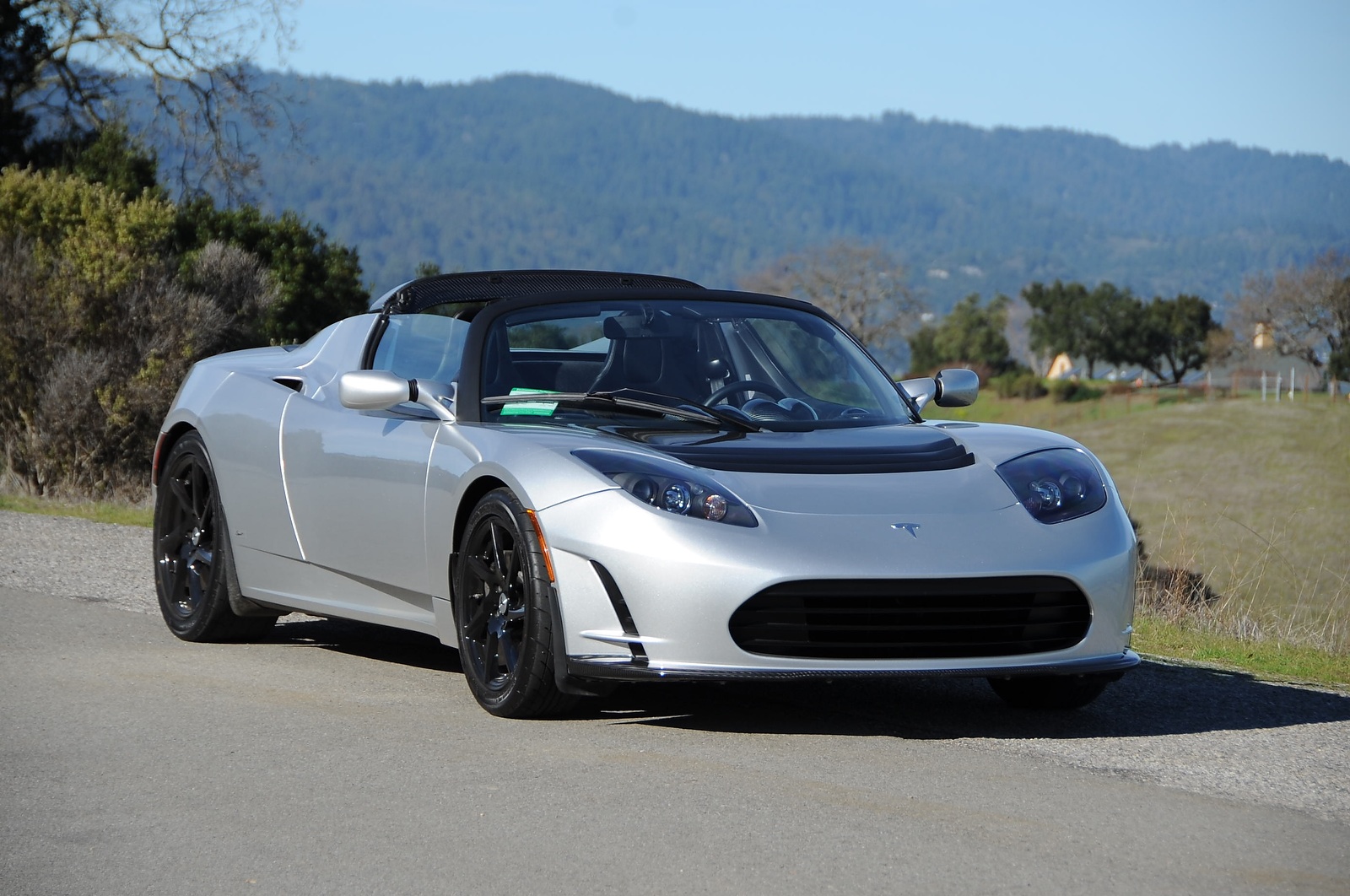
Instead, they opted to adapt one that already existed, skipping most of the development and safety testing. They licensed a chassis from Lotus and had the Roadster assembled at Lotus's plant in Hethel, England. But their plan fell apart when almost nothing from the Lotus survived Teslafication except the windshield, the dashboard, the front wishbones, the mirrors and the soft top. Musk later put the shared-parts figure at 7% and called the approach "a super dumb strategy that we actually did."
Elon Musk led their $6.5 million Series A in April 2004 with $6.35 million of his own money and took the chairman's seat. Eberhard stayed CEO.

$140,000 in Parts for a $98,950 Roadster
The Roadster launched in 2008 at a $98,950 base price. A year earlier, the parts in a single car cost Tesla about $140,000. Not development, not tooling, not the factory. Parts. Tesla worked that figure down to roughly $80,000 by mid-2009, against a sticker that had climbed to $109,000, and said at the time that it expected to start making money on each car the following month. Musk credited the improvement to moving battery pack assembly from Asia to California, where it could be automated.
About 2,450 Roadsters were built between 2008 and 2012.
So for three years the car that was supposed to fund the next car was consuming cash instead, while the Model S sat in engineering waiting to be paid for. The money had to come from somewhere, and the declared mechanism of “Build sports car” clearly wasn’t going to produce it.
Daimler, the DOE, and the Public Markets
Somebody had to fund the Model S, and the first to step up was Daimler.
On May 19, 2009, Daimler announced it had acquired an equity stake of nearly 10 percent in Tesla. Neither company published a price (then or since) for the equity stake. TechCrunch reported $50 million that same day, citing a source with knowledge of the deal, and the figure has been repeated for seventeen years without confirmation from either party. Musk has called the Daimler deal the thing that kept Tesla alive.
Five weeks after Daimler, the US Department of Energy approved $465 million in low-interest ATVM loans, split $365 million for Model S production engineering and assembly and $100 million for a powertrain plant. Then, on June 29, 2010, Tesla went public at $17 a share, raising $266 million and closing its first day at $24.64.
Over the course of roughly a year, Tesla managed to bring in roughly three quarters of a billion dollars, all of which landed before or around the time Tesla said the Roadster would become profitable. So “Build sports car. Use that money to build an affordable car” clearly didn’t work. Instead, outside parties funded the affordable car.
The “affordable car” was the Model S. Tesla had announced it in September 2008 and promised production in 2012, a timeline CNN Money called "ambitious even for larger, established automakers." Angus MacKenzie, then editor of Motor Trend, put it less politely on the day of the IPO: "Most experienced automakers race to put a car together in three years. I can't see Tesla making more than a handful of these, if any, in 2012."
He was reading manufacturing risk, and he was reading it correctly. What he missed is that manufacturing risk is something a company can buy its way through, and Tesla had just raised the money to do it. The first Model S went to a customer on June 22, 2012. He was closer than that makes him sound. Tesla had told the market a month earlier that it would deliver 5,000 cars by year end against more than 10,000 reservations, and it finished 2012 at roughly 2,650.
GM Skipped Step One
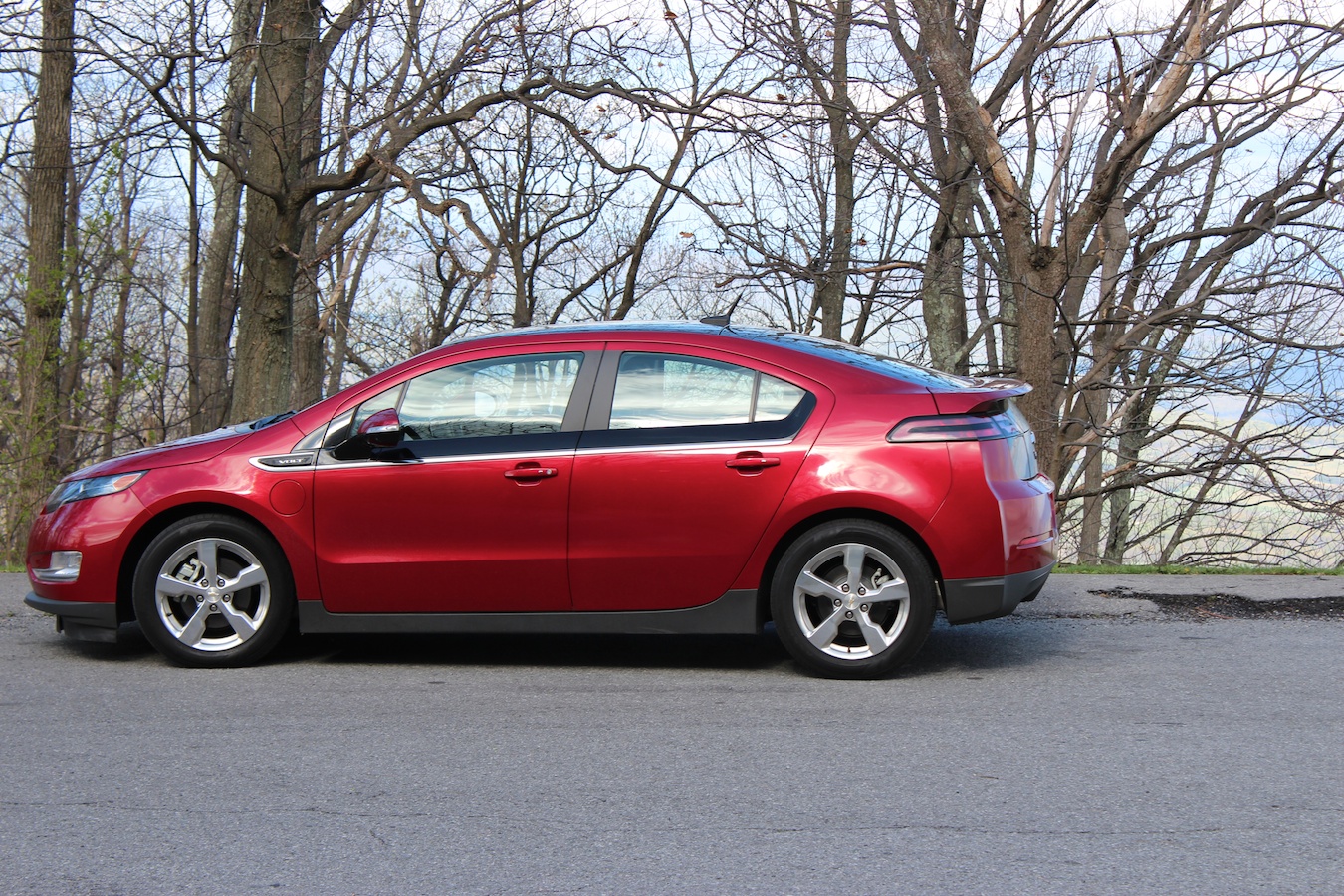
General Motors approached the same market from the middle. The Chevy Volt went on sale in 2010 at a $39,995 base price, built for volume, with no expensive sports car to pay the way.
Reuters reported in September 2012 that analysts at Automotive Consulting Group and Munro & Associates put GM's cost to build each Volt at $75,000 to $88,000 once development and tooling were spread across the 21,500 cars sold to that point, implying a loss of as much as $49,000 a vehicle. GM's Doug Parks confirmed the Volt wasn't profitable and declined to discuss specific costs. A gasoline Chevy Cruze cost the company $12,000 to $15,000 to build.
Both companies lost money on every car they built. The difference was who had to watch. Tesla sold 2,450 Roadsters to people paying for exclusivity, on money from investors who had been told from the beginning that the early cars would lose money. GM sold 21,500 Volts to people who had been promised an affordable car and would notice if the price moved, and it defended every dollar of that loss to a business that already worked.
Lucid and Rivian Ran Tesla’s Plan
Neither Lucid nor Rivian had an existing business to protect.
Peter Rawlinson was chief engineer and vice president for the Model S, which is to say he built step two. He left to run Lucid and launched the Lucid Air Dream Edition at $169,000 before working down the range. Forbes described what he was doing without hedging: "Rawlinson is following Musk's playbook when it comes to cracking the auto market: Start with ultra-luxe and then drive aggressively down market."
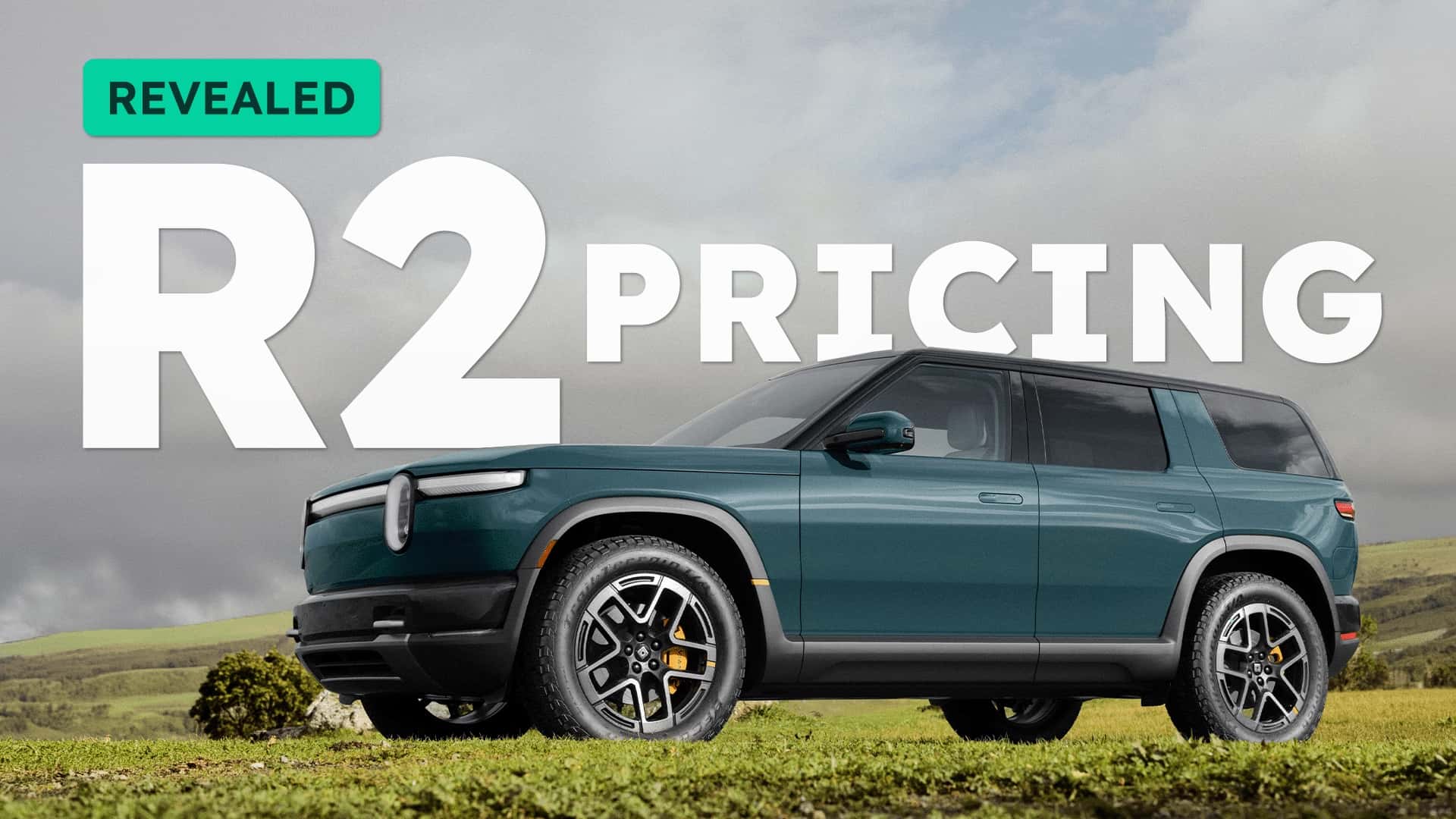
Rivian did the same, opening in 2021 with the R1T Launch Edition at $75,000 and the R1S at $77,500, then launching the mass-market R2 at $57,990 in 2026, with a cheaper version promised behind it.
Both started at the top and are still working their way down, and both raised billions on exactly what Daimler and the DOE bought in 2009: a plan and a high-end car you can actually sit in. Lucid took in about $4.4 billion in growth capital going public through a SPAC in July 2021. Rivian's IPO four months later raised $11.9 billion, the sixth-largest ever on a US exchange.
What Tesla’s Plan Leaves Out
Entering at the top of a market works. Tesla demonstrated it, and Lucid and Rivian are repeating it now. GM came at the same market from the middle and found the losses waiting for it there too, absent the buyers who would tolerate them.
The sequence itself is free, and it has been legible to every competitor since 2006. Running Tesla’s top-down approach costs years of selling a small number of expensive cars at a loss, on money raised from people who want something back. Any company can copy the order of the products. Almost none with a working business to defend will pay that price.
GM never attempted the first half. Eberhard and Tarpenning didn't survive the second. Tesla raised nine rounds before the IPO, and each one shrank what Eberhard and Tarpenning owned. The board removed Eberhard as CEO and moved him to the advisory board on November 30, 2007, months before the first Roadster reached a customer. He wasn't running the company when the car he'd started it to build finally shipped.
The four lines are still up on Tesla's site. They tell you what to build and in what order. They don't tell you where the money comes from, or what the people who bring it will want.
How did this edition land for you?


