
What You’ll Find This Week
HELLO {{ FNAME | INNOVATOR }}!
Oracle cut 21,000 jobs this year and named AI in the regulatory filing. That makes it the fifth company in this piece to make that exact bet. The first four already know how it goes: Klarna, Ford, and Commonwealth Bank all cut roles for AI and ended up rehiring for them. IBM skipped the cut entirely and reached the same conclusion anyway.
This week: what those four companies learned about cutting for AI before anyone tested whether it could actually do the job, what the survey data says about how often that mistake happens industry-wide, and what the base rate says is probably coming for Oracle.
Here’s what you’ll find:
This Week’s Article: You Can’t Fire Your Way to an AI Strategy
Don’t Miss Our Latest Podcast
This Week’s Article

You Can't Fire Your Way to an AI Strategy
Oracle cut 21,000 jobs over the past twelve months. That's 13% of the company, down from 162,000 employees to 141,000. The reason, according to Oracle's own regulatory filing, is "the adoption and deployment of AI technologies across our operations." The filing also warns that AI-centered restructuring "may continue to result in reductions to our workforce." (Forbes)
Oracle's filing just happens to be the one with a name attached to it. Employers have cited AI in 87,714 job cuts through May 2026 alone, already ahead of the 54,836 attributed to it in all of 2025 combined, according to outplacement firm Challenger, Gray & Christmas. Oracle's 21,000 accounts for roughly a quarter of that year-to-date total. The rest are spread across companies that never had to put a number in an SEC filing.
Oracle hasn't rehired anyone yet.
Give it time.

Klarna Already Ran This Experiment, and Told Everyone About It
In 2024, Klarna's CEO Sebastian Siemiatkowski went on a press tour with one number: 700. That's how many human customer service agents he said the company's AI assistant, built with OpenAI, was replacing. No hedging, no "in some use cases." Seven hundred jobs, done by software, and he said so on the record, repeatedly, because it was the best story in fintech that year.
Customers started complaining almost immediately: generic answers, no path to a human for anything that didn't fit the script. In October 2025, days after a US IPO that valued Klarna at $19.65 billion, Siemiatkowski said something else on the record: "We went too far." (MLQ News)
Klarna hasn't said how many people it's actually rehiring. What it has said is that this isn't a retreat from AI: the company calls it a "dual-track approach" and says it never fully eliminated human support, keeping several thousand outsourced agents working the entire time. The new roles are a pilot of remote, contract-based agents aimed at students and rural workers, smaller and cheaper than the original 700 positions. (Forbes)

The Data Says This Is Common
Robert Half surveyed nearly 2,000 American hiring managers and found that 32% had scrapped a role primarily because of AI, then brought the work back within months. Broken out by function, the same dual-action measure, cut for AI and then rehired for it, holds at 44% in finance, 35% in HR, and 32% in tech. "They're actually bringing employees back into the organization to basically be able to handle that workload that they thought AI was going to be able to replace," says Dawn Fay, Robert Half's operational president. (Yahoo Finance, IBTimes UK)
Careerminds asked a larger group the same thing directly: of the roles you cut because of AI, how many have you since rehired for? The survey covered 600 HR leaders who'd overseen a layoff in the past year. Among those who specifically ran an AI-led layoff, 35.6% had already rehired for more than half the roles they cut, and another 32.7% had rehired between a quarter and half of what they eliminated. Add those two groups together and roughly two in three companies that cut jobs for AI walked back at least a quarter of the cut within a year. Only 8.4% said the restructuring delivered what it promised, which means by the companies' own account, more than nine in ten didn't get what they were told they'd get. (Careerminds)
Whether the people coming back are the same ones who got cut, at the same pay, is genuinely unclear. Klarna's own case cuts both ways: its new customer service hires are a small contract pilot, cheaper and smaller than what it eliminated, while separate reporting on "boomerang" rehires more broadly finds some returning employees negotiating better pay and benefits than they had before. Nobody's tracking this consistently enough to say which pattern is more common.

Ford, Commonwealth Bank, and IBM Found the Same Edge Three Different Ways
Ford's version of this took three years, and it doesn't reduce to a single tidy "cut X, rehired Y." Since 2020, Ford has eliminated 5,300 salaried positions as part of a broader white-collar downsizing, one piece of which replaced veteran quality-review engineers with automated design-and-inspection systems meant to catch defects before a vehicle went into production. Those systems needed the same judgment calls the departing engineers used to make, and once the engineers were gone, there was no one left to catch it when the AI got a call wrong. Ford has since rehired 350 veteran engineers and technical specialists to rebuild that judgment layer: mentoring junior staff, reprogramming the automated systems, and running mandatory design reviews before a vehicle is built. Charles Poon, Ford's VP of Vehicle Hardware Engineering, put it directly: "Mistakenly, we thought that by just introducing artificial intelligence and ingesting the design requirements that we had, that would produce a high-quality product." As of June 2026, Ford took the top spot among mainstream automakers in the J.D. Power Initial Quality Study, its first win in that ranking in sixteen years. (Assembly Magazine, Forbes)
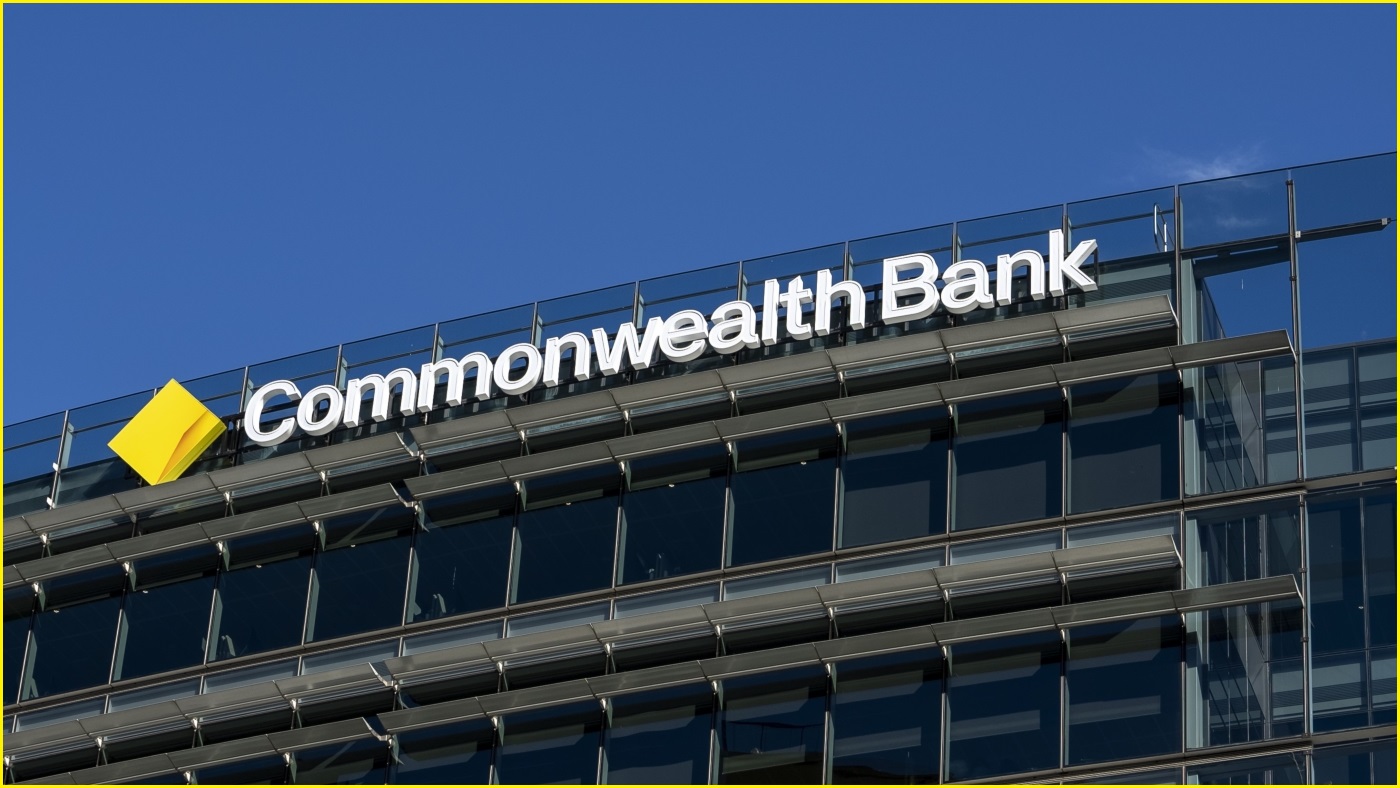
Commonwealth Bank moved faster, and buckled faster. In July 2025, the bank cut 45 customer service roles, planning to replace them with an AI voice bot, and said the bot had already cut weekly call volumes by 2,000. Staff didn't buy the math: workloads were rising, not falling, and the bank's own union, the Finance Sector Union, took the case to Australia's Workplace Relations Tribunal. Six weeks later, on August 21, CBA folded and admitted, on the record: "CBA's initial assessment that the 45 roles were not required did not adequately consider all relevant business considerations, and this error meant the roles were not redundant." CEO Matt Comyn apologized directly to the affected employees. (Information Age)
IBM skipped the cut-then-rehire cycle and landed on the same conclusion anyway. In February 2026, the company announced it would triple entry-level hiring in the US, for the exact kind of roles AI can technically do. Chief HR Officer Nickle LaMoreaux didn't pretend otherwise: "The entry-level jobs that you had two to three years ago, AI can do most of them." IBM is paying to keep hiring for them regardless, betting that skipping a generation of junior hires now creates a more expensive shortage later of the same judgment and client-facing skill Ford and Commonwealth Bank had to go rehire for after they cut it first. (TechSpot)
Four companies, four different timelines: Klarna found it in eighteen months, Commonwealth Bank in six weeks, Ford over three years, and IBM is paying now to avoid finding out later. Oracle is the fifth name in this piece, and the only one that hasn't told us yet which of those timelines it's on.

Why the Cut Made News and the Correction Didn't
None of these companies were hiding the original decision. Oracle's 21,000 is sitting in a regulatory filing. Klarna's CEO put the 700-job number in an interview himself. A confident AI-driven cut is a signal to investors and the market: this company is capturing the AI moment before its competitors do. It gets covered, quoted, and remembered.
The correction rarely gets the same treatment. Commonwealth Bank only reversed course in public because its own union took the case to a tribunal and won, not because the bank volunteered the admission. Klarna calls its correction a "dual-track approach" instead of a walk-back, and still hasn't said how many people it's actually rehiring. Ford folded its rehiring into a quality initiative that also happened to win an industry award. Nobody issues a press release headlined "we were wrong about what AI could do," even in the cases where the company's own internal decision says exactly that.
This is where the Innovation Debt I named back in May actually accumulates. Innovation Debt works like this: the benefit of the cut lands immediately, as a smaller headcount number, a stock bump, a story about efficiency, right when it happens. The cost of getting it wrong lands later, and nobody's assigned to track it: the engineers who left with judgment calls nobody wrote down, the customers Commonwealth Bank had to personally apologize to, the eighteen months between Klarna's headline stat and its CEO's admission that it went too far.

What This Means If You're About to Make the Same Bet
Oracle hasn't rehired anyone yet, and it hasn't said whether it plans to. Based on Klarna, Ford, Commonwealth Bank, and IBM, and on survey data putting the reversal rate for AI-driven cuts somewhere between a third and two-thirds depending on how it's measured, the base rate says there's a real chance it will. Gartner predicts this specific pattern won't taper off on its own: the research firm expects half of companies that cut customer service staff because of AI to rehire by 2027, which is another eighteen months of the cycle repeating before that's even the majority case. Commonwealth Bank already beat that deadline by more than a year. (Gartner)
The four companies that already ran this experiment cut the role before anyone tested whether AI could actually do that specific job, at the volume and judgment level a customer, an engineer, or a call center needed, and found out only after the headcount was gone and the announcement already made.
You don't have to work at Oracle for this to apply to you. If your team is currently planning an AI-driven cut, or defending one you already made, every company in this piece already assumed AI could eventually do the job and cut first. What actually matters is whether you've tested that assumption on the specific work in front of you, or whether you're about to be the next name in someone else's survey data.
Share This

How did this edition land for you?


